
Capital Chemistry: The Economics of Surface Stewardship.
In clinical, dental, and high-hygiene procurement, the metrics for success have fundamentally shifted. While microbial efficacy remains non-negotiable, procurement teams and infection control leads are increasingly measured against relentless macro pressures: budget preservation, capital efficiency, and carbon reduction targets.
At the intersection of these challenges sits a critical, yet frequently overlooked variable: the material compatibility of surface disinfectants.
By addressing how chemical formulations interact with physical infrastructure, facilities can protect capital investments, radically reduce polymer waste, and maintain uncompromised clinical environments.
The £100m Invisible Problem: Environmental Stress Cracking
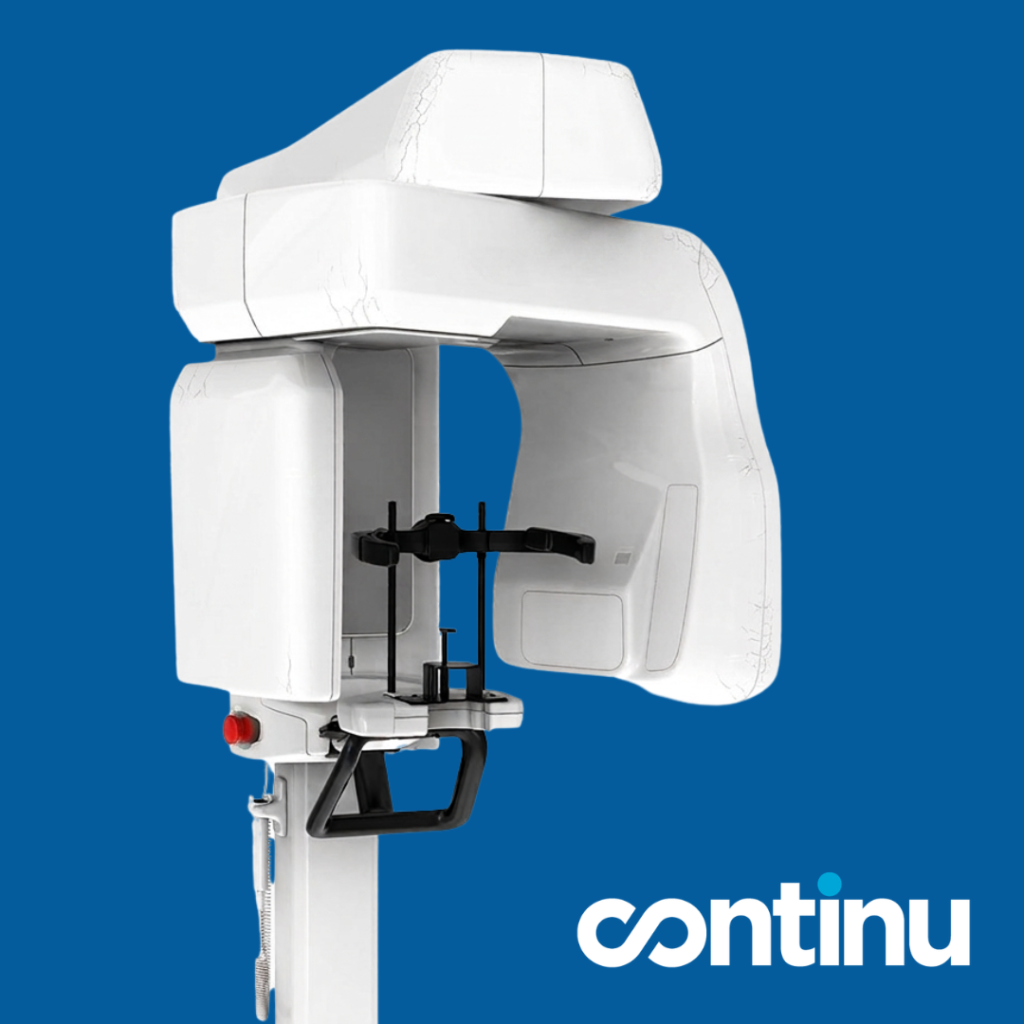
High-value assets — from medical imaging devices and dental chairs to laboratory housing and clinical furniture — represent significant capital expenditure. Yet, their polymer casings, elastomer seals, and protective coatings are routinely subjected to aggressive, chemically unbalanced disinfectants and solvent-heavy formulas, most notably isopropyl alcohol (IPA).
While alcohol is a familiar antimicrobial, it is also a powerful solvent. When applied repeatedly to modern plastics, it initiates a destructive chemical cycle:
This stripping of plasticisers — the essential compounds that keep synthetic materials pliable — leads to Environmental Stress Cracking (ESC).

Under a microscope: How chemical exposure tears apart polymer bonds. Source: The Madison Group
Materials science data indicates that ESC is quietly responsible for up to 30% to 40% of all premature plastic component failures in high-hygiene environments. When these microscopic cracks develop, they compromise clinical environments in two distinct ways:
-
Pathogen Evasion: the micro-fissures act as physical reservoirs where pathogens can pool, shielding them from standard wiping protocols.
-
Accelerated Capital Waste: the compromised casing eventually splits, rendering the entire unit un-sanitizable. Consequently, complex machinery is decommissioned years ahead of its intended operational lifecycle.
The Transition Phase: Halting the Decay
When facilities transition to high-performance, alcohol-free formulations like Continu to safeguard their assets, a distinct physical phenomenon can sometimes occur during the initial switch.
Because high-efficacy, water-based disinfectants are formulated to remain wet on surfaces longer to satisfy rigorous European Standard (EN) contact times, this moisture can enter pre-existing microscopic cracks left behind by years of historic alcohol use. Over repeated early cycles, this moisture can seep beneath the weakened boundary layers of already-damaged coatings, occasionally causing those compromised paint systems to bubble or lift.
It is vital to understand the physics of this transition: Continu is not the cause of this damage; it is the active intervention that stops it.
Continuing to use volatile alcohol formulas or chemically unbalanced disinfectants simply to “keep the cracks dry” is a false economy. This approach rapidly accelerates underlying embrittlement while allowing pathogens to build up inside compromised surfaces. What looks clean on the surface hides danger underneath.
Introducing Continu halts the extraction of plasticisers immediately. It freezes the degradation process, stabilising the material and preventing future micro-fissures from forming.
Takeaway: The earlier the transition to Continu occurs, the sooner your capital assets are protected. Even late-stage adoption acts as a chemical “firewall” to freeze existing decay.
The Macro Impact: Capital and Carbon
Reducing premature equipment replacement is a major pillar of operational sustainability. The scale of clinical and material waste is immense:
| Metric | Impact Area | Environmental & Financial Cost |
| UK Clinical Waste | Landfill & Incineration | ~156,000 tonnes generated annually. |
| HTI Carbon Footprint | Emissions | Releases over 900 kg CO2 per tonne of waste treated. |
| Asset Lifespans | Capital Expenditure (CapEx) | Micro-fissured equipment is retired up to 3–5 years early. |
-
The Circular Economy: extending the operational lifespan of machinery directly prevents complex, non-recyclable plastics and precious metals from prematurely entering high-temperature incineration (HTI) streams.
-
CapEx Optimisation: maximising the lifecycle of existing physical assets allows providers to redirect limited capital budgets away from premature replacements and back toward frontline services.
A Strategic Call to Our Distributor Network
As we expand our distribution network across the UK, we are seeking partners who view infection control through this macro-lens of Surface Stewardship.
Modern B2B distribution is no longer about moving boxes of commodity wipes. True value lies in helping your clients manage their Total Cost of Ownership (TCO). By partnering with Continu, you offer your network a premium clinical barrier that simultaneously:
-
Delivers validated, high-level 2-in-1 pathogen kill rates that meet or exceed rigorous European Standards.
-
Acts as an active safeguard for high-value clinical infrastructure and technical furniture.
-
Aligns directly with NHS and corporate sustainability goals by slowing the equipment waste cycle.
The era of basic, entry-level “alcohol-free” claims is over. High-performance, non-destructive validation is the new baseline.
If your business is built on technical integrity and long-term customer partnerships, we invite you to access our Distributor Portal and help us lead this market shift.
July 15, 2026