
Resilient Infection Control: Surface Stewardship
The World Health Organisation’s recent declaration of a Public Health Emergency of International Concern regarding the Ebola Bundibugyo outbreak in Central Africa is a sobering reminder for the global health community. Unlike the more common Zaire strain, this rare variant currently has no approved vaccine or specific therapeutic. When a virus moves faster than pharmaceutical development, the burden of defence shifts entirely to the basics: rapid containment, strict protocols, and uncompromising Infection Prevention and Control (IPC).
It underscores a broader truth we must look at closely: future pandemics and emerging viral trends will continue to test the vulnerability of our clinical environments.
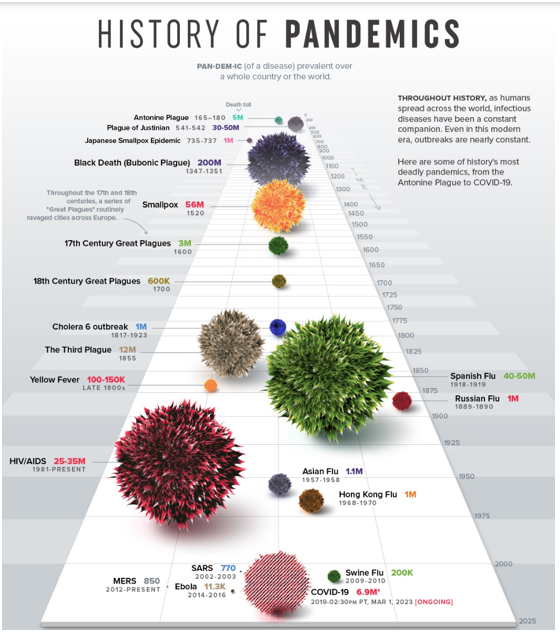
Historically, many of the most devastating pandemics, such as plague and cholera, were primarily bacterial in nature and tended to occur with long intervals between major outbreaks. However, advances in sanitation, antibiotics, and public health have significantly reduced large-scale bacterial pandemics, while in contrast, modern global outbreaks are now more commonly driven by viruses, particularly those originating from animal-to-human transmission. In recent decades, the frequency of spillover has accelerated, with multiple significant viral epidemics (such as SARS, H1N1, Ebola, and COVID-19) emerging within relatively short timeframes, highlighting a clear shift toward more frequent, virus-based threats. Current research published in PNAS suggests there is roughly a 2% annual probability of a pandemic on the scale of COVID-19, equating to a 22–28% chance within the next decade, and an estimated 38% lifetime probability for individuals born at the turn of this century. This growing risk reflects increased global connectivity, environmental change, and continued zoonotic spillover, all of which are making future pandemics not just possible, but increasingly likely.
The Under-Reported Challenge: Surface Integrity
In any high-stakes clinical setting, the integrity of physical infrastructure is heavily tied to patient safety. Yet, a silent issue continues to compromise these environments — surface degradation.
When facilities rely on harsh, aggressive chemicals to achieve disinfection, they often inadvertently cause micro-cracking and surface damage to expensive medical equipment and clinical furniture. These microscopic fissures do more than cause premature equipment failure; they act as microscopic reservoirs where organic debris, bacteria, and viruses can evade standard cleaning protocols. Damaged surfaces directly interfere with the effectiveness of disinfectants.
True resilience requires solutions that protect the material integrity of our environments while delivering robust, broad-spectrum microbial efficacy.
A Sustainable, Purpose-Built Standard
At Continu, we recognised early on that infection control cannot exist in a vacuum. Effective environmental protection must balance clinical efficacy with physical asset protection and environmental sustainability.
Born out of research at Manchester University, Continu was specifically formulated to solve these exact friction points:
- Alcohol-Free Efficacy: Our formulation cleans and disinfects without causing surface degradation or micro-cracking in sensitive diagnostic and medical equipment.
- A Continuous Shield: By disrupting protein and lipid structures, it not only eradicates existing contamination but keeps working after application, preventing harmful micro-organisms from easily reforming.
- Sustainable Footprint: In an era where supply chain resilience and environmental impact matter, we are proud to manufacture fully within the UK using 51% recycled plastics — drastically reducing the heavy carbon footprint associated with long-haul international imports.
Global health trends will always evolve, bringing new pathogens and operational pressures into focus. Our role is not to react with panic, but to provide healthcare environments with a reliable, sustainable, and non-destructive baseline of protection.
When the integrity of your surfaces is maintained, your infection control protocols remain uncompromised.
May 26, 2026